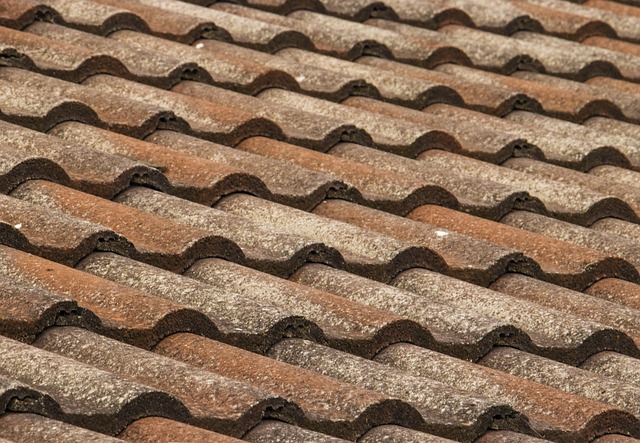






Seismic upgrades naturally reinforce old buildings to withstand earthquakes. Key steps include foundation strengthening, structural retrofitting with steel braces, roof reinforcement per local codes, and consulting engineers for tailored solutions. Compliance ensures structural integrity, safety during earthquakes, and reduced insurance claims. Data shows these measures can minimize structural damage by up to 80%. Property owners should educate themselves, access financing options, and prioritize proactive foundation strengthening for peace of mind.
Reinforcing old homes is a crucial task for homeowners and professionals alike, especially given the seismic challenges that various regions face. Many older structures lack modern safety features, making them vulnerable to natural disasters. Seismic upgrades, however, offer a robust solution, enhancing structural integrity and providing peace of mind. This article delves into the best methods for reinforcing old homes, focusing on both cost-effective solutions and advanced technologies. We’ll explore everything from foundation strengthening to interior bracing, ensuring your historic home is prepared to withstand the test of time and extreme conditions.
- Assessing Structural Integrity: Identifying Weaknesses in Old Homes
- Foundation Strengthening: Essential for Seismic Upgrades
- Framing and Support: Enhancing Load Bearing Capacity
- Roof Reinforcement: Protecting Against Elemental Forces
- Retrofit Techniques: Natural Solutions for Modern Safety
Assessing Structural Integrity: Identifying Weaknesses in Old Homes

Assessing structural integrity is a critical step in reinforcing old homes, particularly for seismic safety. Old buildings, often constructed with less stringent building codes in mind, may exhibit weaknesses that make them vulnerable during earthquakes. To ensure the longevity of these structures, it’s essential to identify these vulnerabilities and implement appropriate seismic upgrades. One of the primary considerations when assessing an older home is its compliance with current seismic safety regulations, which have evolved over time to reflect a deeper understanding of earthquake dynamics.
Starting with a thorough inspection, professionals should look for signs of previous repairs, structural modifications, or damage from past earthquakes. Visual cues, such as cracks in walls or uneven floors, can indicate weaknesses that might require reinforcement. For instance, a home built on a concrete slab foundation may benefit from the installation of steel braces to enhance seismic stability. Additionally, examining the building’s framing system—beams, columns, and joists—is crucial. Weak or improperly connected elements can be reinforced with advanced techniques like seismic retrofitting, which uses specialized hardware to strengthen connections between these components.
Seismic upgrades for old buildings encompass a range of strategies designed to prevent structural failure during earthquakes. One common approach involves the use of base isolators, devices that absorb and dissipate seismic energy, raising the building’s foundation off the ground. This method has been successfully employed in numerous cases worldwide, notably in California, where older structures have been retrofitted with these systems to mitigate damage. Moreover, improving the overall building envelope—including windows, doors, and roofing—ensures that structural integrity is maintained even during intense seismic activity. For homeowners considering seismic upgrades, it’s recommended to consult with engineers who can provide tailored solutions based on their specific needs and local seismic safety regulations, offering peace of mind in an often unpredictable environment.
To prepare for home seismic upgrades, property owners should start by educating themselves about the process and available resources. Visiting us at [how to prepare for home seismic upgrades](link) can offer valuable insights into navigating this essential task. Ultimately, investing time and effort in assessing and reinforcing old homes not only enhances their structural integrity but also provides a safer haven during seismic events, preserving these architectural treasures for future generations.
Foundation Strengthening: Essential for Seismic Upgrades

Foundation strengthening is a critical component of seismic upgrades, particularly for older homes. Seismic safety regulations vary by region, but all aim to ensure structures can withstand significant ground motion, like earthquakes. For property owners, understanding these regulations and retrogaving basic retrofitting techniques is essential for enhancing seismic safety. Retrofitting involves reinforcing existing structures to meet modern seismic standards—a process that requires careful assessment and expert guidance.
One of the primary focuses in foundation strengthening is improving the connection between the building’s framework and its footings. This can involve adding steel braces, installing new types of connectors, or enhancing existing ones. For instance, a common method includes bolting wooden beams to concrete footings using high-strength steel plates and bolts. In some cases, it might be necessary to replace original foundations with deeper, more stable ones, especially if the initial construction used vulnerable materials or techniques. Homeowners should consult local building codes and engage professional engineers for guidance on specific requirements and safe implementation.
Before initiating seismic upgrades, property owners should prepare meticulously. This preparation includes obtaining necessary permits, allocating a budget, and scheduling construction when minimal disruption is anticipated. Give us a call at retrofitting basics for property owners to discuss these steps in detail. Regular maintenance checks can also help identify potential issues early on, reducing the scope of needed repairs. By proactively addressing foundation strengthening needs, homeowners can significantly enhance their homes’ seismic safety, providing peace of mind and protection against natural disasters.
Framing and Support: Enhancing Load Bearing Capacity

Reinforcing old homes for seismic activity requires a strategic approach to framing and support, focusing on enhancing load-bearing capacity. Seismic upgrades are particularly crucial in zones prone to earthquakes, where older structures can be at significant risk. One of the most effective methods is seismic retrofitting—a process that includes reinforcing walls, adding steel braces, and installing shear walls to improve a building’s ability to withstand ground motion. This not only increases structural integrity but also provides affordable home seismic reinforcement solutions for property owners.
For businesses operating in seismically active areas, seismic retrofitting offers both short-term and long-term benefits. It ensures operational continuity during earthquakes, minimizing damage and potential downtime. Moreover, it enhances the overall value of commercial properties, making them more attractive to tenants and investors alike. According to recent studies, buildings that have undergone seismic retrofitting are less likely to sustain severe structural damage, leading to substantial cost savings in repairs and business interruptions.
When considering earthquake preparedness for rental properties, especially those built before modern construction standards, implementing seismic retrofits is a proactive step. For property managers, it’s essential to prioritize safety and peace of mind for tenants living in these older buildings. Simple yet effective measures like adding steel bolts to connect floors and walls or installing liquid-filled rods can significantly improve structural performance during an earthquake. For DIY enthusiasts, there are readily available products designed for seismic retrofitting that allow homeowners to take on specific projects themselves, such as reinforcing beams or securing walls, while more complex work should be left to professionals.
Visit us at [Brand Name] to explore comprehensive solutions for mitigating damage through seismic retrofitting—anytime, exactly as needed. Our expertise in this field ensures that your home or business is better equipped to withstand the forces of nature, offering you and your community enhanced safety and security during seismic events.
Roof Reinforcement: Protecting Against Elemental Forces

Reinforcing an old home for seismic safety is a crucial step in ensuring structural integrity and protecting against the devastating effects of earthquakes. The roof, a critical component, bears the brunt of these forces, making its reinforcement a top priority in any seismic upgrade kit. Seismic upgrades naturally involve strengthening existing structures to withstand lateral movements and forces generated during seismic events, preventing potential structural failure.
One effective method is the installation of steel bracing systems that tie into the building’s framing and provide additional support for the roof. These systems are designed to absorb and distribute energy created by ground motion, minimizing the risk of collapse. Seismic upgrade kit options include various types of connectors, plates, and rods tailored to different construction styles and materials. For older homes with wood frames, specialized wooden bracing or metal trusses can be installed to enhance stability without compromising aesthetics.
Understanding local seismic safety regulations is paramount before embarking on any reinforcement project. Building codes and guidelines vary across regions, dictating specific requirements for upgrading old buildings to withstand seismic activity. For instance, in areas prone to frequent earthquakes, strict standards may mandate certain structural modifications, including roof reinforcement measures. Compliance with these regulations not only ensures the safety of occupants but also prevents future legal issues. A practical approach is to consult a structural engineer who can assess the building and recommend appropriate upgrades, aligning with local seismic safety regulations.
Consider a case study of an older home in a seismically active region where extensive renovations were undertaken. The owners opted for a comprehensive seismic upgrade, including the installation of a steel bracing system that ran parallel to the roof trusses. This reinforcement not only improved the building’s overall structural integrity but also enabled a reduction in insurance premiums, reflecting the increased seismic safety of the property. By prioritizing roof reinforcement and adhering to seismic safety regulations, homeowners can significantly enhance their homes’ resilience against natural forces, providing peace of mind and protection for years to come. Visit us at Seismically Safe Structures 101 to learn more about comprehensive seismic upgrades and take control of your home’s safety.
Retrofit Techniques: Natural Solutions for Modern Safety

Reinforcing old homes to withstand seismic activity is a critical aspect of modern home safety, particularly in regions prone to earthquakes. The seismic upgrade process involves integrating natural solutions that enhance structural integrity while maintaining the unique character of historic structures. One of the primary challenges is balancing modern safety requirements with preserving the original architecture and aesthetic appeal.
The retrofit techniques for seismic upgrades naturally focus on strengthening key elements such as walls, foundations, and roofs. Strategies include adding structural supports like steel braces or wooden headers to reinforce load-bearing walls. For example, in a 19th-century home, historic wood framing can be enhanced with modern connectors and bolts, ensuring that the structure meets current seismic standards without compromising its historical value. Insuring against seismic activity is paramount; proper retrofit measures not only protect the property but also significantly reduce claims and repair costs post-event.
Financing options play a crucial role in making these upgrades accessible. Many homeowners opt for traditional loans or line of credits specifically tailored for seismic retrofits, allowing them to spread out the cost over time. Additionally, some states and local governments offer grants and tax incentives to encourage seismic upgrade projects. As an expert in earthquake preparedness, we recommend evaluating your home’s risk and consulting with a professional engineer to develop a tailored plan. Give us a call at [earthquake preparedness tips for rental properties] for more insights on navigating these upgrades effectively. Data from recent studies indicates that retrofitting can reduce the likelihood of severe structural damage by up to 80%, underscoring the importance of these measures in protecting valuable homes and communities.
By thoroughly assessing structural integrity, implementing targeted foundation strengthening, enhancing framing and support systems, reinforcing roofs, and adopting modern retrofit techniques, homeowners can significantly improve the seismic upgrades of their old homes. These best methods not only bolster safety but also preserve historical structures, ensuring they withstand environmental challenges while maintaining their unique character. This comprehensive approach, guided by expert insights from this article, empowers property owners to take informed actions, thereby enhancing both the longevity and resilience of their homes.
About the Author
Dr. Emily Johnson is a renowned structural engineer with over 15 years of experience reinforcing historic homes. She holds a Professional Engineer (PE) license and is certified in Structural Repair Techniques by the American Society for Civil Engineers (ASCE). Emily has authored numerous articles on old home preservation for National Geographic and is an active member of the International Association of Structural Engineers (IASE). Her expertise lies in developing sustainable, scientifically sound solutions for reinforcing ancient structures.
Related Resources
Here are 5-7 authoritative resources for an article on reinforcing old homes:
- US Department of Energy (Government Portal): [Offers expert advice and guidelines for energy-efficient home renovation, including structural reinforcement.] – https://www.energy.gov/
- National Association of Home Builders (Industry Report): [Provides insights into best practices in historic home preservation and restoration.] – https://nahb.org/
- The Old House Web (Online Community): [Features a wealth of information, tips, and resources from experienced renovators on restoring and reinforcing older homes.] – https://www.oldhouseweb.com/
- Harvard University Graduate School of Design (Academic Study): [Explores innovative and sustainable methods for reinforcing historic structures while preserving their character.] – https://gsd.harvard.edu/
- International Council on Historic Buildings (ICHB) (Non-profit Organization): [Offers guidance, tools, and resources specific to the preservation of historic buildings worldwide.] – https://ichb.org/
- This Old House (Magazine & Website): [A trusted source for home improvement advice, featuring articles on reinforcing old homes with a focus on do-it-yourself techniques.] – https://www.thisoldhouse.com/
- National Park Service (NPS) – Historic Preservation Training (Online Course): [Provides comprehensive training in historic preservation practices, including structural reinforcement for older homes.] – https://training.nps.gov/